As the World Cup brings football (soccer) back into the global spotlight, attention naturally turns to the players, the goals and the moments that decide matches. But every pass, shot and save also relies on the equipment used on the pitch. The ball, boots and protective gear all need to perform reliably under pressure, in changing weather and across different playing styles.
Polyurethane is one of the materials that helps make this possible. In modern football, it is used in carefully designed ways, from the surface of premium match balls to selected parts of boots and protective equipment. Its role is not always obvious, but it is closely linked to three things that matter throughout the game: versatility, durability and design.
The official match ball is the clearest example. Today’s elite football balls are highly engineered products, designed to meet strict requirements for weight, roundness, bounce, water absorption, pressure retention and shape retention. Before a ball can receive a FIFA quality mark, it must pass a defined series of tests. These requirements help ensure that balls used at different levels of the game behave consistently and safely.
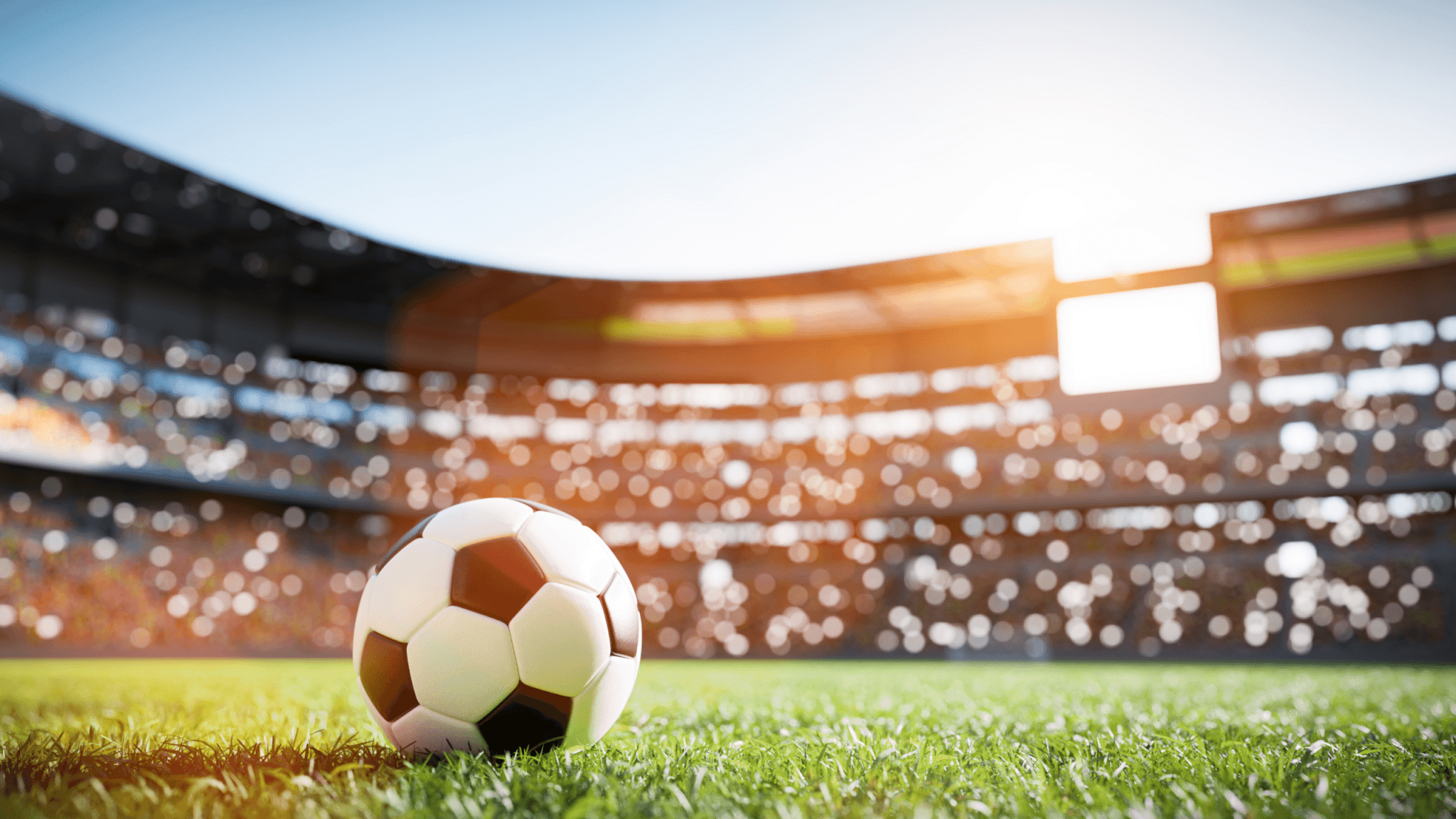
For the 2026 World Cup, the official match ball, Trionda, uses a polyurethane outer layer, combined with internal layers that support the ball’s structure and performance. In premium footballs, polyurethane is valued because it can provide a durable, smooth and responsive outer surface while helping the ball resist water absorption during wet conditions. This is important as a football must perform consistently after repeated kicks, contact with the ground and exposure to changing weather. Thermally bonded polyurethane panels can also help create a seamless surface, supporting lower water uptake and more precise manufacturing. In this way, polyurethane contributes not only to the look of the ball, but also to its touch, durability and reliability during play. Trionda’s four-panel construction, deep seams and textured surface are part of the wider design package, showing how the material surface and the shape of the ball work together.
Polyurethane-based materials are also important in football boots. In some modern designs, thermoplastic polyurethane, often known as TPU, is used in components such as studs, structural skins, reinforcement areas and parts of the soleplate. These elements can help provide support, grip and stability while keeping the boot light enough for quick movement. This balance is central to boot design. A player needs traction when sprinting, stopping or changing direction, but also enough flexibility and comfort to move naturally. Some boots use TPU-based structures to help secure the foot during rapid twists and turns. For example, one recent elite-level boot design uses an adaptive TPU skin across the upper and midsole to help provide a lightweight but rigid structure during quick changes of direction.
Protection is another area where material choice matters. Shin guards are compulsory in organised football, and the Laws of the Game state that they must be made of a suitable material and be an appropriate size to provide reasonable protection. The responsibility for size and suitability lies with the player. Some shin-guard designs use TPU shells or polyurethane-based components, often combined with cushioning materials and textile sleeves. These products must balance impact resistance with comfort, fit and freedom of movement. A guard that is too bulky may be uncomfortable, while one that is too small or poorly positioned may offer limited protection. Research on shin guards shows that design, material stiffness, geometry and fit can all influence how well they absorb and spread impact forces.
The same principle applies more broadly across football equipment. A training ball, a match ball, a pair of boots and a shin guard all have different performance needs. Some parts must be flexible. Others must be firm, abrasion-resistant or weather-resistant. Polyurethane can be adapted for several of these needs. For everyday players, durability is especially important. Equipment used in training and recreational games is exposed to repeated kicks, wet grass, artificial turf, mud and regular handling. Materials that help a ball keep its shape, a boot maintain support or a protective product withstand repeated use can make the game more reliable and enjoyable.
As the World Cup continues to inspire players and fans, polyurethane will remain part of football in both visible and hidden ways.